Effective travel packing can make all the difference in ensuring an enjoyable adventure. Knowing essential packing tips helps travelers minimize stress and maximize their experiences, no matter the destination. From selecting versatile clothing to organizing toiletries and travel documents, a few key strategies can streamline the entire process.
Travelers often struggle with what to bring and how to pack efficiently. A well-planned packing list not only saves time but also prevents overpacking, which can lead to unnecessary hassle. By prioritizing essentials and being strategic about items, travelers can ensure they are prepared for any situation that might arise during their journey.
Whether embarking on a weekend getaway or an extended expedition, packing smartly sets the tone for a successful trip. Simple techniques like rolling clothes, using packing cubes, and always having a go-to travel bag can transform one’s travel experience.
Fundamental Travel Packing Strategies
Packing efficiently is essential for optimizing travel experiences. By utilizing effective strategies, travelers can ensure they have all necessary items without carrying unnecessary weight. The following strategies focus on creating tailored packing lists, prioritizing essentials, avoiding overpacking, and adapting to various adventure types.
Curating the Ultimate Packing List
Creating a comprehensive packing list is a fundamental part of preparing for any adventure. Start by considering the destination, duration, and planned activities.
Key Components of a Packing List:
- Clothing: Include versatile pieces that can mix and match.
- Footwear: Opt for comfortable shoes suitable for various terrains.
- Toiletries: Pack travel-sized toiletries to save space.
- Tech Gear: Select necessary electronics like chargers and adapters.
Utilizing a packing checklist ensures nothing essential is overlooked.
Prioritizing Packing Essentials
When packing, prioritizing travel essentials is crucial for a hassle-free trip. Essentials may vary based on the adventure type, but should always include a few core items.
Essential Items to Prioritize:
- Identification: Always carry a passport or ID.
- Health Items: Bring any necessary medications and a basic first aid kit.
- Travel Essentials: Include a reusable water bottle and snacks.
- Emergency Kit: A small flashlight and a multi-tool can be very helpful.
By ensuring these essentials are included first, travelers build a solid foundation for their packing.
Avoiding Overpacking While Staying Prepared
Overpacking can lead to discomfort and extra costs during travel. To avoid this, travelers should focus on efficient packing techniques.
Tips to Pack Light:
- Choose Layering: Opt for layers rather than bulky clothing.
- Limit Accessories: Stick to versatile accessories that can enhance multiple outfits.
- Use Packing Cubes: These can help compartmentalize items while saving space.
By being intentional with selections, a traveler can maintain readiness without excess baggage.
Packing Smart for Different Types of Adventures
Different adventures demand specific packing strategies. Adapting to each situation ensures all necessary items are included without unnecessary weight.
Considerations for Various Adventures:
- Outdoor Adventures: Pack lightweight gear, such as a portable tent, compact sleeping bags, and cooking utensils.
- City Exploration: Focus on comfortable walking shoes and daypacks for daily excursions.
- Beach Vacations: Include sunscreen, swimwear, and towels, but keep clothing light and easy to dry.
By tailoring travel packing lists to fit the adventure type, travelers can effectively prepare for varied experiences.
Organizing and Packing Techniques for Efficiency
Efficient packing is essential for any travel adventure. By choosing the right travel bag and implementing smart packing techniques, travelers can optimize space and accessibility.
Choosing the Right Travel Bag and Accessories
Selecting the appropriate travel bag is crucial. Durability, size, and mobility should be priorities. Travelers should consider a backpack with adjustable straps, which allows easier carrying and better weight distribution.
Additionally, choosing accessories like packing cubes can enhance organization. These cubes help keep items separated, making it easy to find essentials without unpacking everything. Look for bags with multiple compartments to streamline packing and unpacking.
Maximizing Space with Packing Cubes and Compression Sacks
Packing cubes are effective for organizing clothing by type or outfit. By using different colors, one can easily identify items at a glance. Each cube can hold specific categories such as tops, bottoms, or undergarments.
Compression sacks are ideal for bulky items like jackets or sweaters. They reduce the volume of these items significantly. When packing, travelers should fill all available space, including gaps within their bags, to maximize efficiency.
The Art of Rolling Clothes and Layering
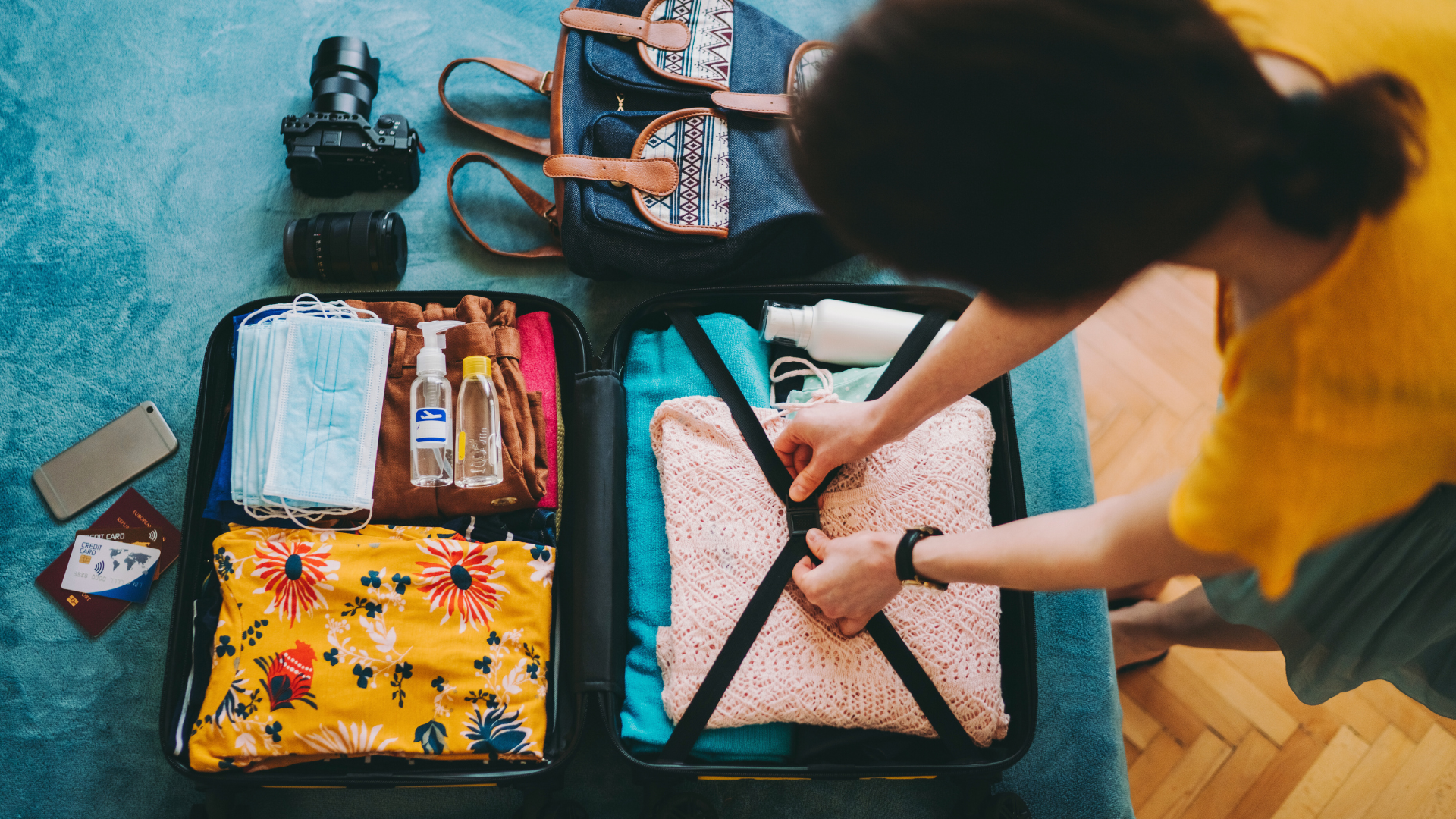
Rolling clothes is a valuable technique that saves space and reduces wrinkles. This process involves folding each garment lightly and then rolling it tightly. This results in a compact shape that fits neatly in packing cubes.
Layering different clothing types can further optimize packing. For instance, placing heavier items at the bottom provides better balance in a bag. Lighter items can sit on top, allowing easy access to essentials while keeping the bag organized.
Key Packing Hacks: Keeping Essentials Accessible
Accessibility is key during travel. A packing guide should include essential items like toiletries, chargers, and travel documents in easily reachable locations. A small, designated pocket in a backpack can store these necessities.
Additionally, travelers should consider using ziplock bags for liquids. This keeps any potential spills contained and allows quick identification of necessary items. Creating a checklist can further assist in ensuring that all items are packed efficiently and conveniently.
Essential Items for Every Type of Adventure
Packing for any adventure requires attention to specific essentials that ensure comfort, safety, and convenience. Selecting versatile clothing, personal care products, important documents, and adaptive gear will enhance the travel experience.
Clothing Essentials and Versatility
Choosing the right clothing can make a significant difference in comfort during any adventure.
- Layered Clothing: Include moisture-wicking base layers to manage sweat effectively.
- Breathable Fabrics: Opt for synthetic fabrics that allow airflow while remaining lightweight.
- Hiking Pants: Versatile pants can serve multiple functions and adapt to changing environments.
A waterproof jacket is essential, especially for unpredictable weather. These jackets provide insulation and protection from rain. Comfortable footwear is also crucial; investing in sturdy hiking shoes can prevent discomfort during long walks. A travel-sized packable jacket adds minimal weight but maximum utility.
Key Personal Care and Hygiene Products
Personal care products are essential for maintaining health and comfort throughout the journey.
- Toiletries: Select travel-sized essentials such as a toothbrush, toothpaste, and biodegradable soap.
- Sunscreen: Protection against UV rays is vital; choose a broad-spectrum sunscreen with at least SPF 30.
- Insect Repellent: Bug repellent helps prevent bites in insect-prone areas.
A small first-aid kit can address minor injuries and must include adhesive bandages, antiseptic wipes, and pain relievers. A travel towel offers convenience for quick drying after activities.
Travel Documents and Money Safety
Staying organized with travel documents is critical for a smooth experience.
- Passport and Visa: Ensure that these are valid and accessible, as they are essential for international travel.
- Emergency Contacts: Keep a list of important phone numbers, including embassies and local contacts.
A money belt can provide safety for cash and cards, reducing the risk of theft. Having copies of important documents stored separately offers additional security. Travel insurance is recommended for unexpected incidents. A navigation tool, like a city guidebook or GPS device, enhances exploration.
Adaptive Gear for Outdoor and Urban Exploration
Selecting appropriate gear contributes significantly to the overall experience.
- Reusable Water Bottle: Staying hydrated is essential; consider one with added features like a built-in filter.
- Snacks: Packing lightweight, non-perishable snacks provides energy during outings.
- Water Purification Tablets: These are essential for ensuring drinking water is safe during camping or hiking.
Consider bringing a dry bag to protect belongings from water exposure. Meanwhile, headlamps or the brightest flashlights can aid visibility during nighttime adventures and during emergencies. Finally, a journal allows travelers to document experiences, thoughts, and reflections.
Essential Electronics and Security for Modern Travelers
For today’s traveler, having the right electronics and ensuring their safety is crucial. Packing smart means including the necessary tech essentials while also being mindful of security and protection measures.
Packing Critical Tech Essentials
When preparing for travel, a packing checklist is essential. Key electronics include a fully charged power bank to ensure devices remain operational. A travel adapter is indispensable for countries with different plug shapes and voltages.
It’s important to consider device protection as well. A sturdy case for laptops and tablets can prevent damage from drops. Noise-canceling headphones enhance the travel experience, providing comfort on long journeys. Include a portable hard drive or USB stick for extra storage, allowing important files to be kept safe.
When choosing gadgets, opt for lightweight and multifunctional devices. A tablet may serve as both a reading device and a backup computer. Always check compatibility before departure to avoid unexpected issues.
Travel Safety and Protection Tips
Travelers should prioritize security when packing their electronics. Use a lockable backpack or suitcase, equipped with RFID-blocking compartments to protect against identity theft. Keeping devices close and secure while in transit adds another layer of safety. Regularly back up data and use cloud services to prevent loss in case of theft. Make sure to install tracking apps on devices, enabling recovery if they go missing.
In crowded places, remain vigilant and avoid displaying technology openly. When using public Wi-Fi, utilize a VPN for secure browsing. Always have copies of important document information, either digitally or physically protected, within the luggage. By taking these precautions, travelers can enjoy their adventures with peace of mind about their electronics and security.