
Why Coastal Road Trips Make the Best Family Holidays
There’s something about driving along the coast with family that just hits differently. Whether it’s the constant accessibility of another beach just up the road or the fact that kids are entertained long enough since their eyes are met with an ocean, there is something about the coastal road trip that transforms what could be a forgettable week away into something everyone actually remembers.
Yet despite what should be a changing and evolving family dynamic, many families adhere to the same holiday structure year after year, booking a hotel, jumping on a flight to somewhere sunny, spending a ton of money, and going home none the better for it in what feels like a whirlwind week. But with the coastal road trip, that’s not the case. You’re not fixed in one location. You’re not trying to maximize your earnings from an expensive hotel room. Instead, the journey becomes just as much of the experience as the destination.
The Benefits of Beach Hopping
Coastal routes are perfect for family dynamics as they provide entertainment at every other mile or so. One beach has rock pools, another has soft sand to make castles, and another has waves to body board. Kids are getting bored? No problem – twenty minutes down the road, you’re in a completely new beach town with a different kind of beach waiting for exploration.
This makes more of a difference than one would think. On a traditional vacation where everyone books a hotel right near the beach they love, that’s all you get for the week. If it’s terrible weather, too overcrowded, or too rocky or something that the kids do not want to engage with that day, too bad. Game over. But on a coastal road trip, there are options. A plethora of them.
Not only that, but you’ll stop in harbor towns, get fish and chips with character instead of chain restaurants, coastal paths to use up any extra energy not to mention those random ice cream trucks that always taste better when you’re near the ocean. It’s diverse and entertaining enough that the challenge of family dynamics becomes solved in a playful manner while on a coastal road trip.
The Freedom Factor
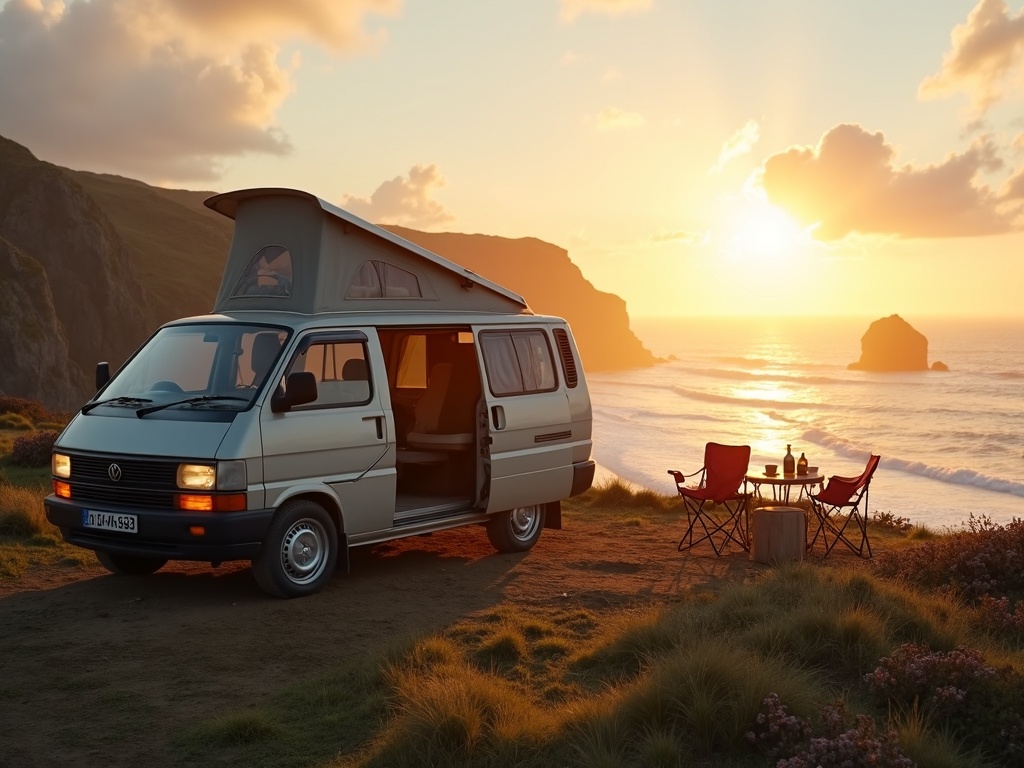
Perhaps one of the biggest game changers to accommodate family dynamics with a coastal road trip is that you have your accommodation with you. It sounds so simple but what a difference this makes! If kids are getting tired earlier than anticipated, you can head back to the van. If it’s supposed to clear up around 7pm – and it does – you can stay out longer. If you find someplace super awesome at 10pm that would be even better to wake up at – guess what? You can wake up there.
Hotels can put such constraints on flexibility. There are check-in times, mealtimes, and most importantly checkout times. With a campervan, you cater to what works best for your family. Some families love waking up early; others are night owls. Neither is wrong if one has the choice.
This is why Campervan Hire Cornwall makes sense for those who want to explore the southwestern coast of England the proper way. It’s not just hiring transport – it’s hiring freedom. The kids can nap in their beds while you all drive to your next destination; meals happen when everyone is actually hungry instead of being charged outrageous fees to eat at a hotel restaurant; and there’s no fuss over temper tantrums that inevitably arise when people are cramped next to hotel neighbors for a week straight.
The Money Reality
Now let’s talk money because generally this is what helps people make their decisions about family holidays in the first place. Initially, a coastal road trip seems expensive; however, when you consider all parts of each option, it becomes clear which choice wins out in the end.
A week at a coastal hotel for four people will cost accommodation, three meals out every day, entertainment and activity costs (all expenses taken because there is time wasted and there will be attempts to fill each possible day). Therefore, you’re looking at £2,000-3,000 for a week, if not more if you’re anywhere decent.
A hire of a campervan for this duration comes out to £800-£1,200 based on season and size needed. Campsite fees are approximately £25-35 per night (another £200 or so). You’ll be cooking most meals which costs about the same as eating at home and gas will be about £150-200 if you’re driving far enough. The total comes out under £2,000 which includes two accommodations sorted already.
Not to mention the hidden saving of everything in between. Kids want a snack? Cool – they have a fridge full of options because they’re traveling with their personal items! Someone’s thirsty? No need to spend £3 on bottled water. Forgot sunscreen? Not an issue when everyone stocked up at Tesco before they left.
The Memory Factor (Without Being Sappy!)
Here’s where it matters most: kids remember holidays that involved road trips differently than those that were hotel-based vacations. The adventure component aids in keeping them engaged for memory-making purposes. They’ll remember journeys – not just destinations. That random beach where dad got stuck in quicksand or that campsite where they made friends with kids from another campervan or the fish and chips eaten atop the harbor’s wall while seagulls begged for their chips – those memories stick better than some hotel with an awesome pool; at least that’s inevitable when families return year after year to such hotels.
It’s easy to create "remember when…" scenarios this way because parents worry about whether kids will enjoy their holiday or survive through their nine-day trip together before they long for separate interests. But with a coastal road trip always offering something new to see, there’s always some new element begging exploration – no one will get bored!
The Practicalities
Of course it’s not always sunshine and beautiful weather every time – some days it rains; perhaps there will be an unfortunate stay at a campground with a dirty shower or you’ll find yourself asking "are we there yet?" at least once – but these inconveniences are minor compared to what happens in a static situation.
Instead, it’s all about accepting imperfection. A coastal road trip isn’t luxurious – it’s experiential. Your kids won’t mind that they’re cramped in a campervan or that their dinner is baked beans on toast again – they’ll remember spotting dolphins from atop a cliff they hiked up themselves yesterday or collecting shells at five different beaches in one day today alone!
Plus, weather is less of an issue than you’d think. Not great today? Drive somewhere else! Coastal areas have microclimates – it can be raining ten miles inland while sunny ten miles at sea – which means there are options not afforded by static situations!
The Reality of Return Trips
Finally – the families who try this once tend to repeat it because it’s not about affordability (albeit that does help); it just works well. Parents get to relax – they don’t need to schedule meals, keep rooms clean or find mundane options for family engagement throughout the day – and kids get freedom and adventure; everyone gets their little own bubble while exploring outside their comfort zone together.
There’s no pressure to be anywhere at any time; there’s no judgement when kids are noisy; there’s no worry about waking up someone next door who shouldn’t be awake – it’s just a family enjoying quality time together exploring the coast of Britain and making it up as they go along.
That’s the beauty of it – the Coastal Road Trip eliminates everything wrong about holiday making and focuses on what’s beneficial – from spending time together, enjoying new experiences and maximum potential for flexibility that allows one to actually enjoy themselves instead of trying to check off boxes on an itinerary they felt obliged to stick to!