Skiing enthusiasts often seek the best destinations to enjoy their favorite sport. The top places to go skiing combine excellent snow conditions, varied terrain, and breathtaking scenery. From the iconic slopes of the Swiss Alps to the powder-filled resorts in Colorado, each location offers a unique experience for skiers of all levels.
Whether one prefers the challenge of steep runs or the ease of gentle slopes, there is something for everyone. Popular ski resorts provide not only skiing but also a range of amenities, including dining, après-ski activities, and stunning accommodations. When planning a skiing trip, knowing where to go can make all the difference in creating memorable experiences.
Exploring the best ski destinations ensures that adventures on the mountain are both thrilling and enjoyable. With the right choice of location, skiers can immerse themselves in picturesque landscapes and exhilarating rides, making each run a new adventure to cherish.
Global Skiing Destinations
Skiing enthusiasts can find diverse terrain and unique experiences across the globe. Different regions offer varied climates, cultures, and skiing conditions, providing excellent options for all skill levels.
North America
North America boasts some of the world’s most renowned skiing resorts. Whistler Blackcomb in Canada stands out with over 8,000 acres of skiable terrain. The area features a vibrant village and extensive nightlife.
In the United States, Jackson Hole in Wyoming attracts experienced skiers with its challenging slopes and breathtaking scenery. Aspen in Colorado is another favorite, known for luxury and a variety of runs. Park City in Utah, the largest ski area in the U.S., offers a family-friendly atmosphere and excellent snow conditions.
Europe
Europe is a premier destination for skiing, featuring iconic resorts and picturesque landscapes. Chamonix in France is often called the “Capital of Extreme Skiing,” famed for its steep slopes and mountaineering options.
In Austria, St. Anton is celebrated for its après-ski culture and diverse trails. Switzerland offers the Zermatt resort, located at the foot of the Matterhorn, with glaciers guaranteeing snow throughout the season. The Dolomites in Italy provide spectacular scenery and unique runs, appealing to both beginners and experts.
Asia
Asia’s skiing destinations are gaining popularity due to their unique experiences and breathtaking landscapes. Niseko in Japan is famous for its powder snow and vibrant cultural offerings. The area provides diverse runs suitable for all levels and an inviting après-ski scene.
China’s Harbin Ski Resort is known for its high-tech facilities and accessibility. Gulmarg in India offers breathtaking views of the Himalayas and is a hidden gem for off-piste skiing. Each of these locations offers an invaluable mix of adventure and cultural richness.
Southern Hemisphere
The Southern Hemisphere has ski resorts that provide a contrasting experience to the Northern Hemisphere. Chamonix, in the Andes of Argentina, is known for its unique blend of skiing and vibrant atmosphere during the summer months in the Northern Hemisphere.
Queenstown in New Zealand is a stunning destination, offering diverse slopes and breathtaking lake views. Skiing here typically runs from June to October, making it a perfect escape for Northern Hemisphere skiers during their summer. Each resort presents a different character, allowing visitors to enjoy skiing in an entirely different environment.
Factors to Consider When Choosing a Ski Destination
Selecting the right ski destination requires careful consideration of several key factors that can enhance the experience. Snow quality, terrain variety, resort altitude, and accessibility are crucial elements that play significant roles in the choice.
Snow Quality and Reliability
Snow quality is vital for an enjoyable skiing experience. Skiers should look for locations known for consistent snowfall and well-groomed trails.
Key considerations:
- Seasonal Snowfall: Research historical data on snowfall trends. Resorts in regions like the Rocky Mountains typically receive more reliable snow.
- Artificial Snowmaking: Check if the resort has snowmaking capabilities. This can ensure quality skiing conditions even during less favorable weather.
- Snow Types: Different resorts may have varying types of snow, such as powder or packed snow, which can influence the skiing experience and technique.
Terrain Variety
The diversity of terrain is essential for catering to various skill levels and preferences. A destination should offer multiple runs and features.
Important aspects to consider:
- Skill Level Variety: Select a resort that provides runs for beginners, intermediates, and experts. This ensures that all members of a group can find suitable slopes.
- Off-Piste Options: Some skiers prefer backcountry or off-piste skiing. Look for destinations that provide access to these areas for added adventure.
- Park Features: For freestyle enthusiasts, terrain parks with jumps and rails can add excitement. Research the availability of these features and their maintenance.
Resort Altitude and Geography
The altitude of the resort can significantly impact skiing conditions and health. Higher elevations can mean better snow quality but also thinner air.
Factors to evaluate:
- Elevation: Higher resorts often receive more snow. However, altitude sickness can be a concern. Resorts between 7,000 and 10,000 feet are common choices.
- Geographic Location: Proximity to mountains influences snow retention. Coastal and inland resorts can offer different snow conditions due to varying weather patterns.
- Temperature Variability: Colder resorts tend to preserve snow quality better. Skiers should check average temperatures during their intended travel dates.
Accessibility and Travel Proximity
Getting to the ski destination should be convenient and efficient. Proximity to airports and quality transportation options can impact travel time.
Key points to think about:
- Airport Access: Choose a resort located near a major airport to simplify travel. For example, resorts in Colorado often have easy access from Denver International Airport.
- Ground Transportation: Look for resorts with shuttle services or nearby car rental options. This can facilitate easier movement between the airport and the resort.
- Travel Time: Consider the total travel time from the airport to the resort. Shorter travel can allow for more time on the slopes.
Top Ski Resorts Worldwide
These ski resorts are renowned for their exceptional facilities, diverse terrain, and breathtaking scenery. Each location offers a unique experience for skiers of all skill levels.
Whistler Blackcomb, Canada
Whistler Blackcomb stands as one of North America’s largest ski resorts, offering more than 8,000 acres of skiable terrain. The resort boasts over 200 marked trails, catering to skiers ranging from beginners to experts.
Whistler Village provides a vibrant après-ski scene, featuring numerous restaurants, bars, and shops. That same mix of restaurants, bars and activities also makes the resort a strong choice for Whistler bachelor & bachelorette parties, particularly for groups looking to combine time on the slopes with a sociable evening scene. The impressive Peak 2 Peak Gondola connects Whistler and Blackcomb mountains, offering panoramic views and access to diverse slopes.
Skiers can expect high-quality snow conditions and excellent grooming, making it a favorite for winter sports enthusiasts.
Courchevel, France
Courchevel is part of the Three Valleys, the largest ski area in the world. It offers 150 kilometers of slopes with varied terrain, ensuring every skier finds suitable runs. The resort is divided into several villages, each offering different atmospheres and accommodations.
Gourmet dining options abound in Courchevel, featuring numerous Michelin-starred restaurants. Visitors can enjoy the breathtaking views of the French Alps while experiencing luxurious amenities.
Courchevel also hosts a variety of winter sports beyond skiing, including snowboarding and snowshoeing, making it an all-around winter destination.
Zermatt, Switzerland
Zermatt is famed for its stunning views of the Matterhorn and offers 360 kilometers of pistes. This car-free village enhances the charm, allowing for peaceful strolls after a long day on the slopes.
The resort features a blend of challenging terrain and beginner-friendly runs. Zermatt also connects to Italy’s Cervinia ski area, providing access to even more diverse skiing experiences.
Skiers enjoy excellent lift systems and high-quality snow year-round due to the glacier skiing. Unique dining experiences, such as mountain huts and upscale restaurants, complete the adventure.
Niseko, Japan
Niseko is recognized globally for its light powder snow, attracting skiers and snowboarders from all corners of the world. The resort has an extensive network of trails spread over four interlinked areas, providing a considerable variety of slopes.
Renowned for its unique terrain and off-piste options, Niseko offers a mix of tree skiing and groomed runs. The après-ski culture features hot springs (onsen) that provide relaxation after a day on the slopes.
Culinary experiences range from local Japanese cuisine to international fare, making it a well-rounded destination for travelers seeking both adventure and cultural immersion.
Skiing for Beginners
For those new to skiing, choosing the right location and resources is crucial for an enjoyable experience. Family-friendly resorts, suitable terrain, and professional ski lessons can make a significant difference in building confidence and skills.
Family-Friendly Resorts
Family-friendly resorts cater specifically to beginners, offering amenities and services that enhance the experience. Notable options include:
- Breckenridge, Colorado: A diverse range of gentle slopes and an excellent ski school program.
- Park City, Utah: Features designated beginner areas and family-oriented accommodations.
- Niseko, Japan: Known for soft powder and welcoming vibes, making it ideal for novices.
These resorts provide safe, accessible terrain while ensuring families can enjoy the slopes together.
Beginner Terrain Assessment
When assessing beginner terrain, several factors are essential. Beginners should look for:
- Green Runs: These are the easiest slopes, marked in green, designed for learning.
- Gentle Gradient: A gradual incline helps build confidence without overwhelming new skiers.
- Space for Falling: Open areas allow beginners to practice without the risk of collisions.
Understanding slope grades and characteristics aids in choosing appropriate trails, ensuring a comfortable learning environment.
Ski Schools and Lessons
Most ski resorts offer comprehensive ski schools aimed at beginners. These programs typically include:
- Group Lessons: Economical and a great way to meet fellow learners.
- Private Lessons: Tailored instruction for those looking for personalized guidance.
Instructors assess individual skill levels and guide students through fundamental techniques. Many programs offer beginner waxing and gear rental to ease logistics, allowing novices to focus on learning. Enrolling in lessons fosters a structured environment for skill development and safety.
Advanced Skiing Destinations
For those seeking an adrenaline-filled experience on the slopes, advanced skiing destinations offer spectacular challenges. These locations feature difficult terrain, off-piste adventures, and steep powder-filled runs that cater specifically to skilled skiers.
Challenging Terrain
Advanced skiers often seek areas known for their challenging terrain. Locations like Whistler Blackcomb in Canada provide an impressive variety of runs. With over 8,100 acres of skiable terrain, this resort boasts steep trees, narrow chutes, and mogul fields.
Aspen Highlands in Colorado also offers rugged terrain. Its Highlands Bowl is famous for its steep pitches and breathtaking views. Here, skiers can tackle while enjoying the Colorado Rockies’ impressive scenery. Both locations are essential for experts looking for a thrilling challenge.
Off-Piste and Backcountry Options
Off-piste skiing provides an unparalleled experience for advanced adventurers. Areas like Chamonix, France are renowned for their off-piste opportunities. Skiers can explore untouched powder and rugged landscapes, ensuring a unique experience with each visit.
Revelstoke, Canada stands out for its backcountry options. Known for its deep powder, it attracts skilled skiers eager to navigate untouched trails. Guides are recommended for safety and to enhance the adventure by finding the best routes.
Steep Slopes and Deep Powder
For those who seek steep slopes, Jackson Hole, Wyoming is a prime destination. With vertical drops reaching over 4,000 feet, it challenges even the most experienced skiers. The Corbet’s Couloir is legendary for its extreme steepness and technical descent.
Niseko, Japan offers its own unique features with consistent deep powder. Its renowned backcountry skiing attracts experts searching for pristine conditions. The combination of steep runs and significant snowfall makes it a go-to for advanced skiers looking for fresh challenges.
These advanced skiing destinations provide everything from challenging technical runs to deep, untouched powder. They promise an exhilarating experience for those ready to take on the mountains.
Accommodation and Amenities
Choosing the right place to stay is crucial for a ski trip. Access to the slopes, dining options, and activities after skiing can significantly enhance the experience.
Ski-In/Ski-Out Lodging
Ski-in/ski-out lodging provides direct access to the slopes, allowing for maximum convenience. Many resorts offer options ranging from luxurious hotels to charming chalets.
Key Benefits:
- Instant access to skiing
- Reduced travel time to and from the slopes
- Enhanced comfort after a day of skiing
Popular destinations typically have well-rated ski-in/ski-out options that include amenities like heated pools and ski storage services. Accommodations vary from upscale resorts with fine dining to budget-friendly lodges, catering to diverse preferences.
Dining and Après-Ski
Dining options at ski resorts range from high-end restaurants to casual eateries. Many resorts feature local cuisine to offer guests a taste of the region.
Common Features:
- Gourmet restaurants: Often located in or near major hotels, providing exquisite dining experiences.
- Casual dining: Options for a quick bite between runs or a laid-back evening meal.
- Après-ski venues: Bars and lounges where visitors can unwind with drinks and live music.
Exciting culinary experiences often enhance the skiing adventure, inviting guests to explore meals that complement their mountain getaway.
Wellness and Non-Ski Activities
Wellness amenities have become increasingly popular at ski resorts, promoting relaxation and rejuvenation. Many accommodations offer spas, yoga classes, and fitness facilities for guests to enjoy.
Non-ski activities include:
- Snowshoeing and cross-country skiing: Perfect for those wanting to explore the winter landscape.
- Ice skating: Available at many resorts, adding a festive touch.
- Indoor swimming pools: Ideal for relaxation after a long day on the slopes.
These features ensure that every guest finds enjoyable and relaxing pursuits, whether on or off the slopes.
Ski Gear and Equipment
Choosing the right ski gear and equipment is essential for safety and performance on the slopes. Important considerations include whether to rent or buy, the latest in ski technology, and suitable apparel to keep warm and dry.
Rent vs. Buy Decisions
When deciding between renting and buying ski gear, several factors come into play. Renting can be ideal for beginners or occasional skiers, as it eliminates high upfront costs and maintenance.
Benefits of Renting:
- Cost-effective for infrequent skiers
- Access to new models with each rental
- No maintenance or storage issues
On the other hand, purchasing gear makes sense for regular skiers. Buying allows for personalized fit and performance, enhancing the overall experience.
Advantages of Buying:
- Familiarity with equipment
- Potential for long-term savings
- Customization based on skiing style and terrain
Latest Ski Technology
Advancements in ski technology significantly improve performance and safety. Features like rocker profiles, which enhance maneuverability, and lightweight materials increase speed and control.
Notable Ski Technologies:
- Carbon Fiber Construction: Lightweight and responsive
- Built-in Shock Absorption: Increases comfort on rough terrain
- Edge Technology: Improved grip and turning capability
Investing in skis with the latest technology can lead to a better experience on the slopes and increased confidence for the skier.
Proper Apparel for Skiing
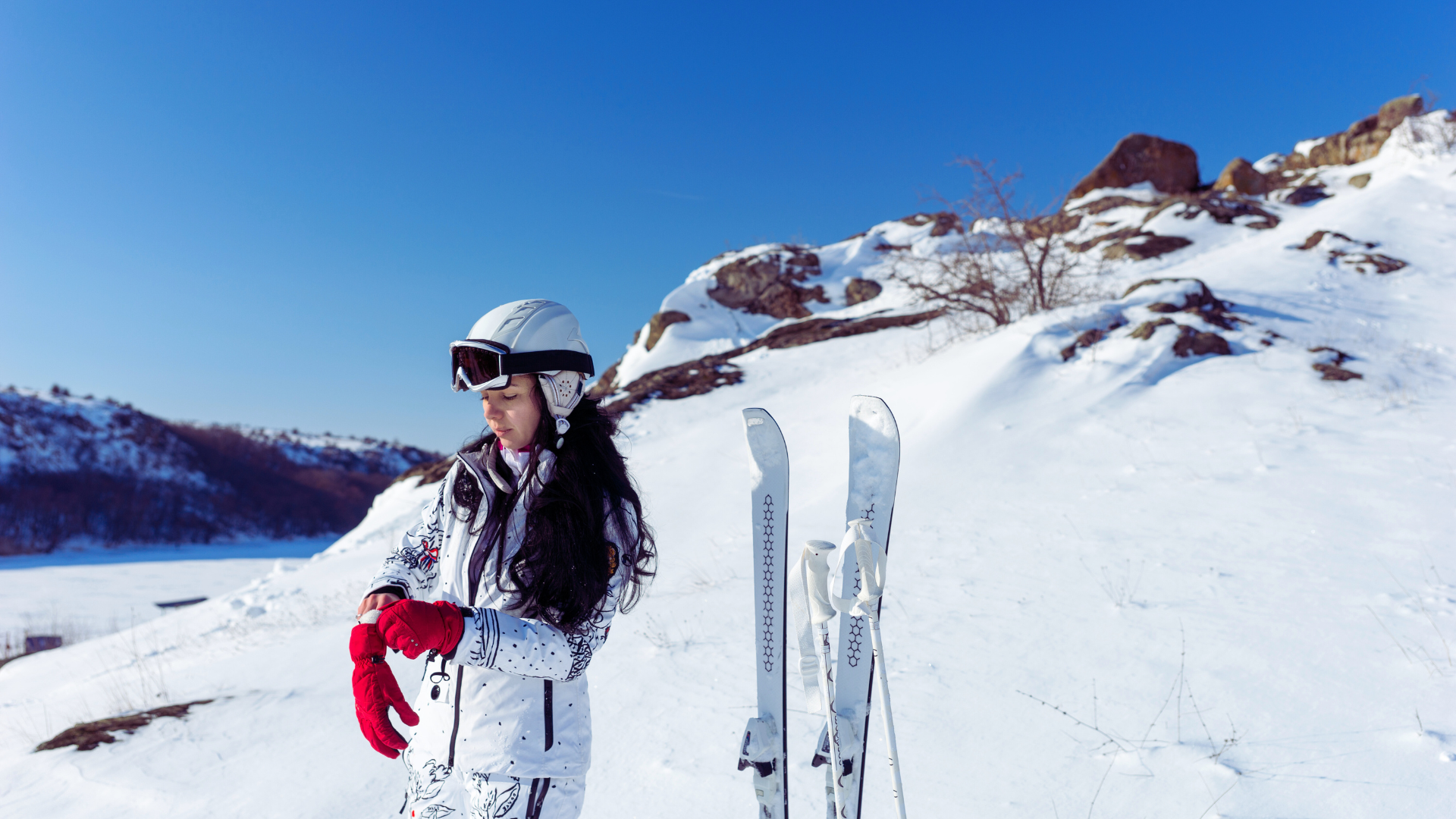
Wearing the right apparel is crucial for comfort and protection. Layering is key; thermal base layers wick moisture away from the skin while insulating layers retain warmth.
Essential Ski Clothing:
- Base Layer: Moisture-wicking fabric
- Mid Layer: Insulating fleece or down
- Outer Layer: Waterproof and breathable jacket and pants
Accessories like gloves, goggles, and helmets are equally important. A good quality helmet provides safety, while goggles enhance visibility. Choosing the right apparel ensures an enjoyable experience regardless of conditions.
Seasonal and Weather Considerations
Weather and seasonal factors play a critical role in determining skiing conditions. Understanding when to hit the slopes ensures a more enjoyable experience.
Best Time to Ski
The premier skiing season typically falls between late December and March. This period boasts the most consistent snow conditions and the best coverage across numerous resorts. The weeks surrounding the holidays and school vacations see an influx of skiers, making it crucial to book early.
Regions vary; for instance, Western resorts often have ideal conditions in February, while Eastern resorts might be better in early January. Notably, spring skiing can be pleasant, offering warmer temperatures and fewer crowds. However, skiers should be aware that snow quality may diminish later in the season.
Peak vs Off-Peak Travel
Peak travel weeks coincide with holidays and school breaks, leading to crowded slopes and higher prices. Resorts often implement strategies to manage these crowds, so visitors may experience longer lift lines and limited accommodation availability.
Off-peak travel periods, including the early or late parts of the ski season, often yield quieter slopes and better lodging rates. Skiers can enjoy a more relaxed atmosphere and improved snow conditions, particularly in less popular resorts. Off-peak travel can also offer unique opportunities like last-minute deals and fewer competitors for premium terrain.
Sustainable Skiing
Sustainable skiing is gaining traction among environmentally conscious travelers. Ski resorts are adopting practices to minimize their ecological impact while enhancing the experience for skiers.
Eco-Friendly Resorts
Many ski resorts are committed to sustainability through eco-friendly initiatives. These include using renewable energy sources like wind and solar power to reduce carbon footprints. Resorts often prioritize energy efficiency by retrofitting buildings, conserving water, and improving waste management systems.
For instance, the Whistler Blackcomb in Canada has invested in energy-efficient upgrades and has a program for zero-waste disposal. Similarly, Vale Resorts has committed to minimizing greenhouse gas emissions across all its locations.
Skiers can also look for resorts that offer eco-friendly transportation options, such as shuttle services and electric vehicle charging stations, making it easier to reduce personal emissions while traveling.
Conservation Efforts in Ski Areas
Ski areas are increasingly engaging in conservation efforts to protect local ecosystems. This includes habitat restoration projects that aim to preserve the flora and fauna of alpine environments.
Many ski resorts collaborate with environmental organizations to implement wildlife protection strategies, such as creating wildlife corridors and mitigating the impact of ski runs on animal habitats. The Aspen Skiing Company has pioneered such efforts by investing in land restoration and conservation easements.
Additionally, resorts are focusing on educating guests about environmental stewardship. Programs might include guided tours showcasing local ecosystems or workshops on sustainable practices, reinforcing the importance of preserving nature while enjoying winter sports.