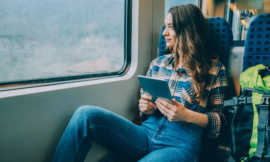

Planning a solo travel itinerary can seem daunting, especially for those venturing out on their first solo trip. With careful preparation and a clear structure, a traveler can create a fulfilling and enjoyable experience tailored to their interests. Understanding the destination and setting realistic goals are crucial steps that will enhance the journey.
Solo travelers have the unique opportunity to explore at their own pace, allowing for more spontaneous adventures. By taking the time to research attractions and local culture, they can develop a flexible itinerary that balances must-see sights with downtime to relax or explore off the beaten path. This approach ensures a richer experience when travelling alone.
Crafting an effective itinerary involves incorporating essential elements such as accommodation, transportation, and key activities. By prioritizing these factors, individuals can minimize stress during their trip and focus on embracing the freedom that solo travel offers.
Getting Started With Solo Travel Planning
Effective solo travel planning begins with clarity about travel goals, thoughtful destination selection, and a realistic budget. Each aspect plays a crucial role in crafting a fulfilling travel experience that meets individual needs and preferences.
Defining Your Travel Goals
Establish specific travel goals to guide the planning process. Consider what you hope to achieve, whether it’s relaxation, adventure, cultural exploration, or personal growth. Prioritize experiences, such as visiting historical sites or trying new cuisines.
Key questions:
- What destinations inspire you?
- Are you looking for social interactions or solitude?
Having clear goals helps narrow down options and ensures that the trip aligns with your expectations. Document these goals to refer back to as planning progresses.
Choosing the Right Destination
Selecting the right destination is essential for a successful solo trip. Research various locations based on your defined goals. Consider factors like safety, ease of navigation, and the availability of activities that interest you.
Helpful tips:
- Look for solo travel-friendly cities with good public transport.
- Explore destinations with vibrant communities or solo traveler resources.
Consult travel blogs, local forums, and social media groups to gather firsthand insights. This will enable informed choices that enhance enjoyment and comfort during the trip.
Setting a Realistic Budget
Creating a budget for solo travel should reflect personal financial situations while accommodating desired experiences. Break down costs into categories, including accommodation, activities, food, and transportation.
Budgeting steps:
- Calculate daily expenses.
- Factor in unexpected costs and a buffer for flexibility.
Utilize apps or spreadsheets to track spending and maintain financial discipline. Understanding the overall cost will help avoid surprises and ensure the trip remains enjoyable without financial strain.
Creating an Effective Solo Travel Itinerary
Creating a solo travel itinerary involves a balance of planning and spontaneity. This section outlines practical steps for researching destinations, organizing activities, and allowing flexibility to enhance the solo travel experience.
Researching Destinations and Hidden Gems
Effective itinerary planning begins with thorough research. Travelers should start by identifying main destinations and then seek out hidden gems. Online resources like travel blogs, forums, and social media platforms can reveal lesser-known spots.
Consider local attractions that might not appear in traditional travel guides. These could include charming neighborhoods, small cafes, or unique markets. Websites like Atlas Obscura showcase off-the-beaten-path experiences.
Using a travel map can help visualize the proximity of various attractions. Grouping nearby points of interest minimizes travel time and maximizes exploration. Prioritize safety and accessibility when selecting destinations for solo exploration.
Organizing Must-See Attractions and Local Experiences
Once the research is complete, it’s time to organize must-see attractions. Create a list of top sites, noting their opening hours and any entrance fees. This ensures a smooth visit to popular landmarks.
Incorporate local experiences that reflect the culture. Consider guided tours or cooking classes to immerse yourself in the local lifestyle. These activities can be both enriching and social, offering chances to meet other travelers.
Using a table can facilitate planning:
| Attraction | Location | Entry Fee | Opening Hours |
| Local Museum | Downtown | $10 | 10 AM – 5 PM |
| City Park | Central District | Free | 24/7 |
| Cooking Class | Neighborhood | $50 | 2 PM – 5 PM |
Highlight local events or festivals during the travel dates. Engaging in these can significantly enhance the travel experience.
Planning Daily Activities and Time Management
Planning daily activities is essential to ensure a fulfilling travel experience. Each day should include a mix of sightseeing, relaxation, and spontaneity. Allocate specific time blocks for visits to popular attractions, considering travel time between locations. Utilizing apps like Google Maps can help estimate distances and commuting times.
Include buffer time for unexpected discoveries or fatigue. Solo travelers might wish to spend extra time enjoying a street performer or relaxing in a park. Consistently assessing energy levels throughout the day aids in successful time management. Maintaining a daily itinerary can help stay organized while still embracing new experiences. Avoid overscheduling to allow for chance encounters.
Building Flexibility Into Your Itinerary
Flexibility is a crucial component of any travel itinerary. Travelers should plan for possible changes in circumstances, such as weather conditions or personal energy levels. Incorporate free days or half-days without rigid plans. This allows the opportunity to join spontaneous group activities or explore additional attractions that pique interest.
Using a digital calendar with adjustable slots enables quick changes. Having a foundational structure aids in maintaining a sense of direction while permitting organic exploration. Balance is key; while structure is necessary, the joy of travel often lies in the unplanned moments. Solo travelers should feel empowered to adapt their itineraries as they go.
Essential Travel Tips and Safety Measures
Planning a successful solo trip involves careful attention to safety and management of essentials. The following information addresses crucial aspects of travel safety, efficient packing, connectivity, and handling daily expenses.
Ensuring Travel Safety and Security
Traveling solo requires staying vigilant and prepared. Researching travel advisories for the destination helps identify potential risks. It’s wise to register with local authorities upon arrival, especially in unfamiliar areas.
Travel insurance is paramount; it provides security against unexpected medical expenses or trip cancellations. Always keep digital and physical copies of important documents, such as your passport and insurance, stored securely.
Using well-lit, populated transport options and avoiding secluded areas after dark enhances personal safety. Use safety apps that share your location with trusted contacts, and familiarize yourself with emergency numbers in the region for added safety.
Packing Light and Choosing Travel Essentials
Packing efficiently minimizes stress and enhances the travel experience. Start by listing travel essentials based on the destination’s climate and activities.
Opt for versatile clothing pieces that can be mixed and matched. Lightweight fabrics are ideal, as they dry quickly and take up less space. A compact portable charger is crucial for keeping devices powered. Include a first-aid kit with basic supplies such as band-aids, pain relievers, and any necessary medication.
Travel-sized toiletries can make a significant difference, as they save space while meeting regulations for carry-ons. Lastly, a reliable daypack simplifies daily excursions, allowing easy access to essentials like water, snacks, and a map.
Staying Connected With Travel Apps and Tools
Maintaining connectivity aids in navigating and enhancing the travel experience. Google Maps is indispensable for both navigation and discovering local attractions. It works offline when maps are downloaded in advance.
Another valuable tool is Rome2rio, which provides various transportation options between locations, illustrating the quickest routes. Travel apps for language translation can bridge communication gaps, simplifying interactions with locals.
Financial apps help track expenses in real-time, ensuring the budget stays on course. Additionally, utilizing social media platforms can connect solo travelers with local communities, fostering engagement and sharing recommendations.
Managing Daily Expenses and Travel Documents
Effective budget management is vital during solo travel. Prioritize creating a daily expense plan to stay within budget. Cash is still essential in many regions, so carrying local currency can be beneficial. Credit or debit cards with low foreign transaction fees are preferable for larger purchases. Consider using a dedicated travel wallet to keep documents organized.
Include essential documents like flight itineraries, accommodation bookings, and transportation details in this wallet. An electronic backup on a secure cloud service can protect against loss. Always examine bank statements regularly while traveling to monitor unusual transactions. Keeping day-to-day expenses and documents in check contributes significantly to a stress-free travel experience.
Making the Most of Your Solo Adventure
A solo adventure offers unique opportunities for self-discovery and immersion in local culture. Engaging with new environments and people enhances personal growth, while trying local cuisine deepens the travel experience.
Embracing Self-Discovery and Personal Growth
Traveling alone allows for introspection. Without distractions, travelers can reflect on their lives, values, and aspirations. This time can also strengthen decision-making skills. Facing unfamiliar situations fosters resilience and independence.
To enhance this process, keeping a travel journal is beneficial. Documenting experiences can clarify thoughts and emotions. Additionally, setting personal goals before the trip can provide direction, ensuring travelers focus on what matters most during their journey.
Immersing in Local Culture and Cuisine
Exploring local culture enriches a solo travel experience. Engaging with residents, attending festivals, or visiting local markets can provide insight into daily life and traditions. These activities foster connections that make the journey more meaningful.
When it comes to cuisine, sampling local dishes is a must. Trying street food or dining in family-run restaurants can offer authentic tastes and experiences. Taking a cooking class can also provide skills to recreate favorite meals at home while deepening cultural understanding.
To turn culinary curiosity into a concrete plan, add a few specific eateries to your map so you can sample regional flavours with confidence. In cities such as Glasgow, food-focused travellers can look for venues that bring together local ingredients and South Asian comfort cooking.
One useful example is Indian restaurant Glasgow foodies, which pairs Bombay-inspired small plates with an atmospheric setting. Note opening times and reservation policies so meals fit smoothly between activities. Keeping one or two well-chosen dining stops in mind makes the food portion of a trip feel intentional and memorable.
Connecting With Fellow Travelers
While solo travel emphasizes independence, connections with other travelers enhance the experience. Meeting fellow adventurers can lead to shared experiences and new friendships. Hostels often serve as vibrant hubs for socializing, providing opportunities to engage in group activities.
Participating in local tours or events can also facilitate connections. Travelers can join groups based on interests, such as hiking or cultural tours. These interactions not only alleviate loneliness but also enrich the adventure through diverse perspectives.