
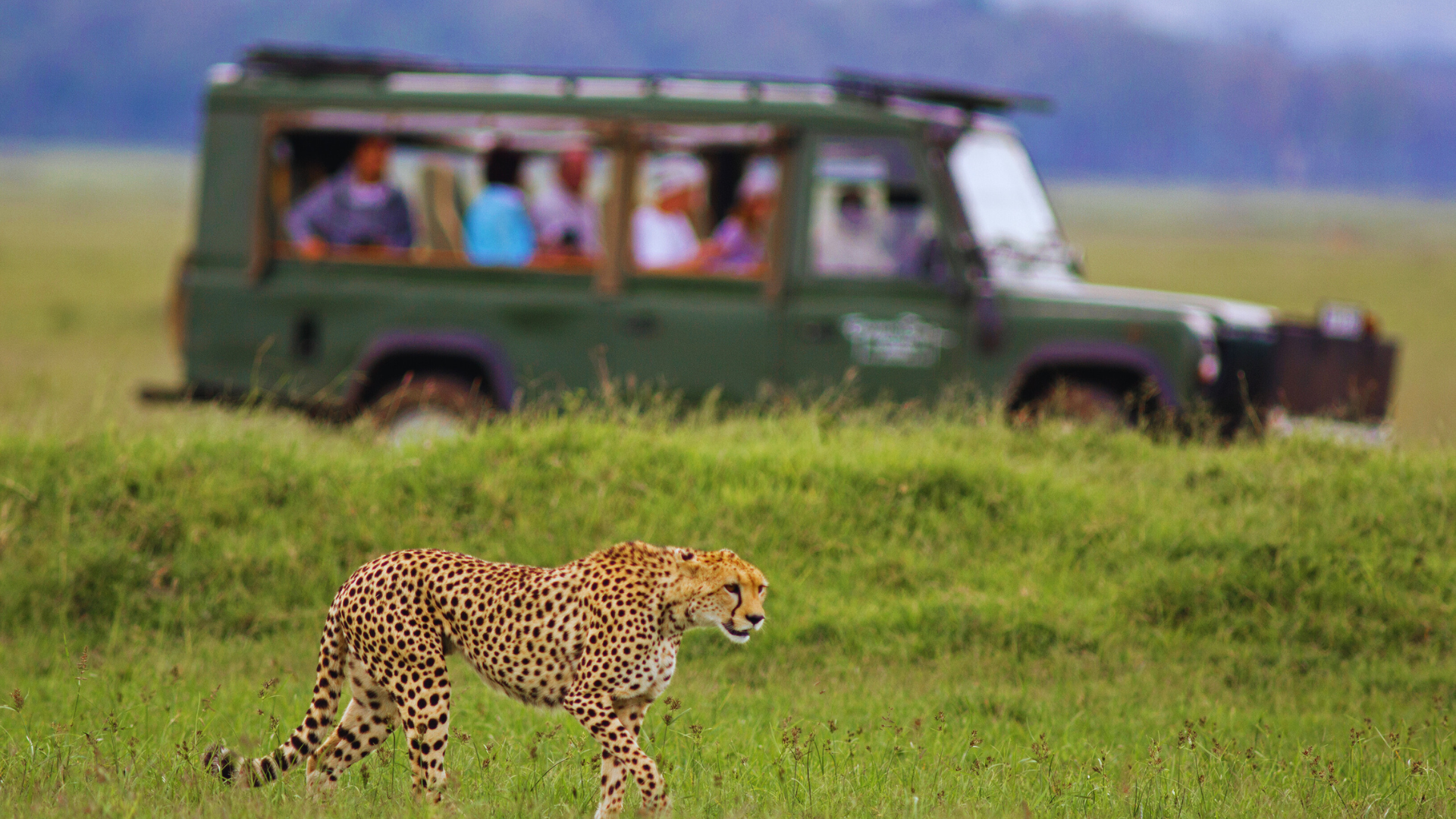
For those seeking adrenaline and unforgettable experiences, the best African safaris offer a unique blend of adventure and wildlife exploration. These safaris provide thrilling opportunities to witness Africa’s majestic landscapes and its extraordinary animals up close. From the vast savannahs of the Serengeti to the rugged terrains of Namibia, each destination presents its own set of adventures.
Adventure seekers will find themselves immersed in activities such as guided bush walks, helicopter rides over stunning vistas, and off-road game drives. Each of these experiences allows for a deeper connection with the natural world. Whether tracking elephants in Botswana or observing the Great Migration in Tanzania, these safaris promise excitement and unforgettable memories.
Additionally, combining cultural experiences with adventure deepens the safari journey. Visitors can engage with local tribes, learn their customs, and appreciate the diverse heritage that Africa has to offer. This fusion of wildlife and culture ensures that every safari is not just a trip, but a transformative adventure, making it an ideal choice for any thrill-seeker.
Top African Safari Destinations for Adventure Seekers
Adventure seekers will find an array of exhilarating experiences across Africa’s premier safari destinations. From vibrant wildlife encounters to breathtaking landscapes, these locations offer unforgettable adventures.
Serengeti and Ngorongoro Crater
Serengeti National Park in Tanzania is renowned for its incredible wildlife. It hosts the Great Migration, where millions of wildebeest and zebras traverse the plains in search of greener pastures. This spectacle provides thrilling game viewing opportunities.
Ngorongoro Crater is another highlight. This UNESCO World Heritage Site features a diverse ecosystem within a volcanic caldera. Visitors can encounter the Big Five—lion, leopard, elephant, buffalo, and rhinoceros—while enjoying stunning views. Game drives offer close encounters with wildlife, making this area ideal for adventure enthusiasts.
Maasai Mara and Nairobi Region
Kenya’s Maasai Mara is famous for its annual wildebeest migration and rich wildlife. The expansive savannah is perfect for game drives and wildlife photography. Adventurers can also experience hot air balloon rides at dawn, providing a unique perspective of the landscape and game below.
The Nairobi region offers diverse experiences, including visits to giraffe and elephant orphanages. Its vibrant culture enhances any safari. Those seeking luxury can find numerous accommodation options featuring stunning views and top-notch amenities.
Kruger National Park and Private Reserves
South Africa’s Kruger National Park is one of Africa’s largest game reserves. It boasts diverse landscapes, from dense bush to open savannah. Adventurers can explore via guided game drives, often leading to sightings of the Big Five.
Nearby private reserves, such as Sabi Sand, provide exclusive game viewing experiences. Qualified guides lead night drives to spot nocturnal wildlife, adding another layer to the safari experience. Luxury accommodations in these areas provide comfort after a day of exploration, ensuring a rejuvenating stay.
Okavango Delta and Chobe National Park
The Okavango Delta in Botswana is a unique inland delta offering lush landscapes and water-based safaris. Adventurers can enjoy canoeing and mokoro excursions, providing intimate wildlife encounters.
Chobe National Park, located nearby, is famous for its dense elephant population. Game viewing is exceptional, with options for both river safaris and traditional drives. The varied terrain, from floodplains to woodlands, allows for diverse wildlife sightings, attracting adventure seekers from around the world. Luxury accommodation enhances the safari experience, providing comfort in a stunning setting.
Adventure Activities and Unique Wildlife Encounters
Adventure seekers find a wealth of activities and wildlife interactions across Africa’s diverse landscapes. Three standout experiences include walking safaris, gorilla trekking, and hot air balloon safaris, each offering unique perspectives on nature and wildlife.
Walking Safaris and Night Drives
Walking safaris provide an intimate view of game-rich environments, especially in places like South Luangwa National Park. Visitors join trained guides who lead them through the bush. This experience allows travelers to identify animal tracks, listen to bird calls, and explore the ecosystem closely.
Night drives add another thrilling dimension. As darkness falls, wildlife becomes more active. Guides spotlight elusive nocturnal species such as leopards, bush babies, and various owls. These outings almost always yield spectacular encounters, showcasing the vibrant night-time life that would otherwise go unnoticed.
Gorilla Trekking Adventures
Gorilla trekking offers a chance to observe mountain gorillas in their natural habitat. Uganda’s Volcanoes National Park and Queen Elizabeth National Park are among the top destinations for such treks.
Participants trek through lush forests and rugged terrain, guided by experienced trackers. The momentary tension builds as they approach a gorilla group, leading to unforgettable encounters. Watching these gentle giants engage in daily activities fosters a deep appreciation for wildlife conservation efforts. Travelers leave with memories that persist long after the trek concludes.
Hot Air Balloon Safaris
Hot air balloon safaris present a breathtaking aerial perspective of Africa’s iconic landscapes, particularly in the Serengeti and Masai Mara regions. Rising with the sun, adventurers glide over vast savannahs, spotting wildlife from above.
This serene experience often includes a post-flight champagne breakfast. The opportunity to view wildlife in their natural behaviors from the sky provides an enchanting contrast to ground-level experiences. Hot air balloon rides are not only visually stunning; they also offer unique angles on migration patterns and herd movements that enhance understanding of the region’s ecology.
Planning the Ultimate Adventure Safari in Africa
Planning an adventure safari in Africa requires careful consideration of various factors. Understanding the best times to visit, selecting the right tours and accommodations, and preparing with essential travel tips can significantly enhance the experience.
Best Times to Visit for Wildlife Viewing
Timing is crucial when planning a safari. The best months for wildlife viewing often depend on the specific destination.
Peak Wildlife Seasons:
- Serengeti National Park (Tanzania): June to September is ideal for witnessing the Great Migration of wildebeests.
- Maasai Mara (Kenya): July to October offers the best chances to see the migration and abundant game viewing.
The dry months, typically from May to October, provide clear visibility and better opportunities for spotting the Big Five. Rainy seasons can make some areas difficult to access, but may also bring lush landscapes and fewer tourists.
Choosing Safari Tours and Accommodation
Selecting the right safari tour can greatly impact the experience. Options range from budget-friendly tours to luxury accommodations.
Types of Safari Tours:
- Guided Safaris: Provide expert insights and better wildlife spotting.
- Self-Drive Safaris: Offer flexibility but require more planning.
Accommodation varies from tented camps to luxury lodges. Here are key considerations:
- Location: Proximity to game parks enhances the chance of viewing wildlife.
- Amenities: Look for accommodations that offer comfort and local experiences.
Consider reviews and recommendations to choose reputable operators.
Travel Tips for Adventure Seekers
Preparing for an adventure safari involves more than just booking a trip. Proper planning ensures a smoother experience.
Essential Travel Tips include:
- Health Precautions: Vaccinations and malaria medications are often recommended.
- Packing Essentials: Binoculars, a good camera, and sturdy footwear are vital for adventure seekers.
- Respect Local Culture: Understanding the local customs enhances interactions and experiences.
Staying informed about safari rules and regulations is also important for safety and ensuring a respectful approach to wildlife.