
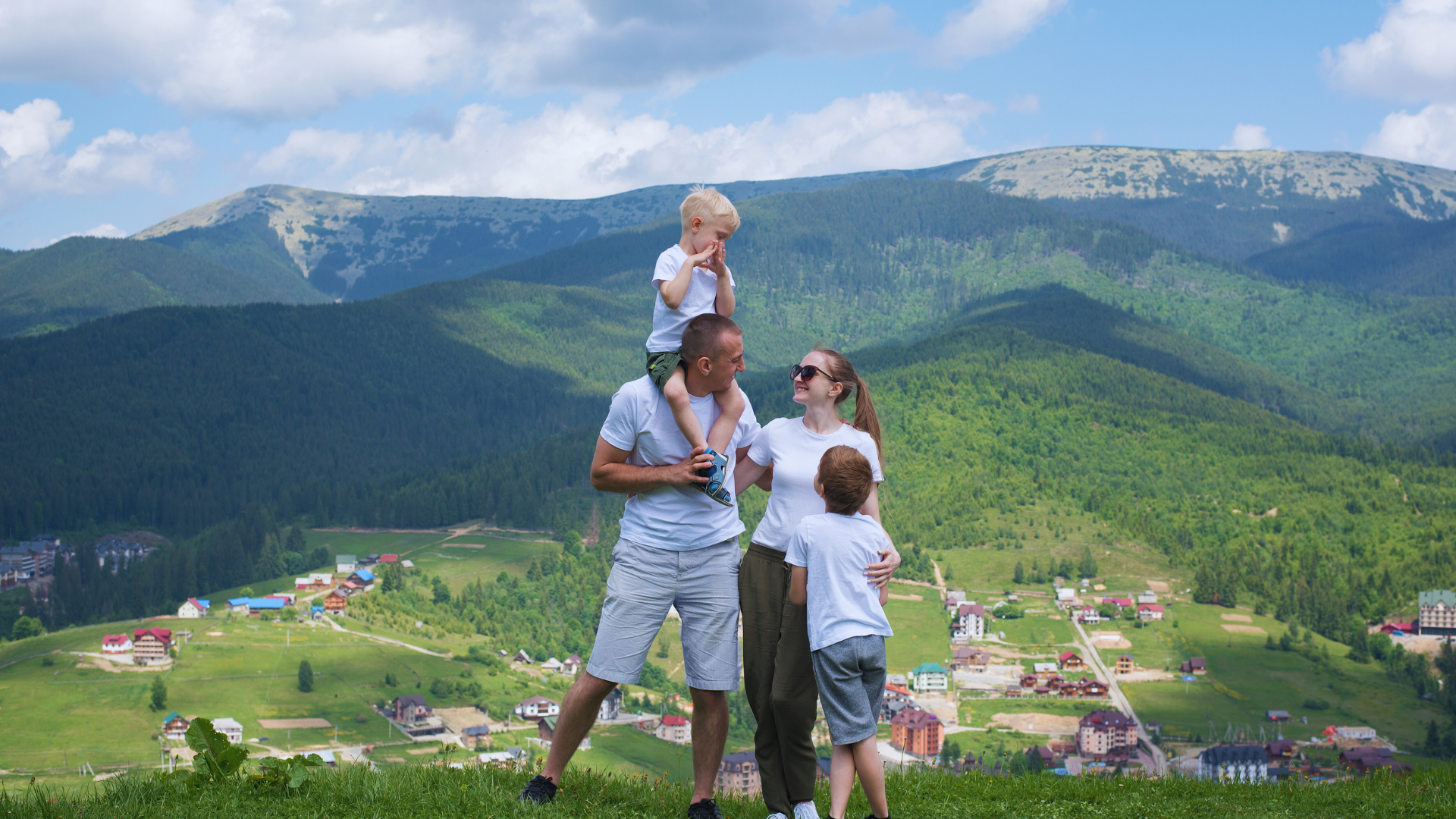
Family holidays offer a chance to create lasting memories, but finding the right balance between fun and relaxation can be challenging. Effective planning and flexibility are key to ensuring that everyone enjoys both exciting activities and restful downtime. Prioritizing a mix of scheduled adventures and opportunities for relaxation can help maintain harmony among all family members.
Incorporating activities that cater to different interests can enhance the experience for everyone involved. By acknowledging each person’s preferences, families can coordinate outings that include both thrilling adventures and quiet moments. This approach fosters an environment where everyone feels included and valued, enriching the holiday experience.
Mindful scheduling can play a crucial role in achieving this balance. Setting aside specific times for relaxation alongside planned excursions allows families to recharge, ensuring that they remain engaged and enthusiastic throughout their trip. By committing to this mix, families can truly enjoy the best of both worlds on their holidays.
Essential Strategies for Balancing Fun and Relaxation
Achieving a balance between fun and relaxation on family holidays involves practical strategies. By setting realistic expectations, creating a flexible schedule, and prioritizing meaningful activities, families can enhance their holiday experience.
Setting Realistic Expectations
Families should begin by discussing their goals for the holiday. This includes identifying the types of activities everyone enjoys.
Tips for Setting Expectations:
- Encourage open communication about wants and needs.
- Avoid overpacking the itinerary; prioritize quality over quantity.
- Recognize and accept that not everything will go as planned.
By aligning expectations, family members can minimize stress, ensuring that everyone feels included and excited about the experience.
Creating a Flexible Family Schedule
A flexible schedule allows families to adapt to the evolving dynamics of a holiday. This approach fosters a balance between planned activities and spontaneous adventures.
Key Elements of a Flexible Schedule:
- Include buffer time between activities to allow for rest or unplanned stops.
- Check in with family members regularly to adjust plans if needed.
- Designate personal time for each family member to pursue individual interests.
Flexibility in scheduling encourages relaxation while still providing opportunities for enjoyment.
Prioritizing Activities That Matter Most
Identifying and prioritizing activities that resonate most with family members leads to a more fulfilling holiday experience. Understanding what each person values can guide better planning.
Strategies for Prioritizing Activities:
- Create a list of must-do activities based on family interests.
- Limit the number of major activities to avoid burnout.
- Incorporate downtime between significant events to recharge.
Focusing on activities that hold genuine value enhances connections and enjoyment during the holiday, while also allowing for necessary relaxation.
Planning Activities for All Ages
Balancing activities that cater to various age groups is essential for family holidays. By considering interests, involving family members in planning, and scheduling downtime, everyone can enjoy their time together.
Considering Everyone’s Interests
It’s important to identify individual interests and preferences before the trip. Each family member may enjoy different activities, from historical tours to nature hikes.
Strategies to gather input include:
- Surveys: Create a simple survey for family members to rank their preferred activities.
- Family Meetings: Host a casual family discussion to brainstorm ideas.
By combining these responses, one can create a diverse itinerary that allows for shared experiences and individual enjoyment. This inclusive approach ensures that everyone feels valued and excited about the holiday.
Involving the Whole Family in Decision Making
Engaging the entire family in the planning process fosters enthusiasm and investment in the trip. Each member, regardless of age, can contribute ideas and suggestions.
Methods to include everyone:
- Voting System: After gathering suggestions, use a voting system to choose activities.
- Task Assignments: Designate specific planning tasks to different family members, such as researching local attractions or planning meals.
This not only builds anticipation but also develops teamwork skills and strengthens familial bonds.
Scheduling Downtime Alongside Adventures
While excitement is key, rest is equally vital to maintaining energy levels. Creating a balanced schedule that intersperses high-energy activities with relaxation allows everyone to recharge.
Consider these tips:
- Flexible Itinerary: Plan for some open blocks of time in the schedule for spontaneous activities or relaxation.
- Quiet Spaces: Identify areas at the destination, such as parks or your accommodations, where family members can unwind.
This balance promotes well-being and ensures that all family members are ready to participate fully in each experience, making the holiday enjoyable for everyone involved.
Managing Family Dynamics and Reducing Stress
Successfully navigating family holidays involves managing interpersonal dynamics and minimizing stress. Strategies that include setting clear boundaries, sharing responsibilities, and fostering open communication can create a more enjoyable atmosphere for everyone.
Establishing Boundaries and Roles
Establishing boundaries is essential for a harmonious family holiday. Each family member should have clear roles that outline responsibilities and expectations. This prevents overlap and confusion.
- Define Roles: Assign specific tasks to each person, such as meal planning, cooking, or planning activities. Knowing who is responsible for what minimizes stress.
- Set Boundaries: Discuss and agree on personal spaces and times. Understanding that everyone may need alone time can help reduce tension.
This clarity enables family members to respect each other’s needs while enjoying quality time together.
Delegating Responsibilities
Delegating responsibilities ensures that no single person is overwhelmed. Shared duties create a sense of teamwork and reduce individual burden.
- Create a List: Make a comprehensive list of holiday tasks, from shopping to cleanup. This visual aid will help everyone understand what needs to be done.
- Involve Everyone: Encourage family members to pick tasks based on preference and ability. This fosters participation and makes everyone feel included.
A balanced distribution of responsibilities can enhance motivation and decrease anxiety.
Maintaining Open Communication
Open communication is critical in managing family dynamics during holidays. Encouraging honest dialogue reduces misunderstandings.
- Use Family Meetings: Schedule brief gatherings to discuss plans and express any concerns. This forum allows everyone to voice opinions and commit to collective goals.
- Check-Ins: Regularly check in with each other throughout the holiday. Small conversations can address issues before they escalate.
Promoting transparency cultivates a supportive environment where family members feel valued and heard.